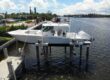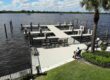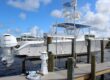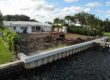
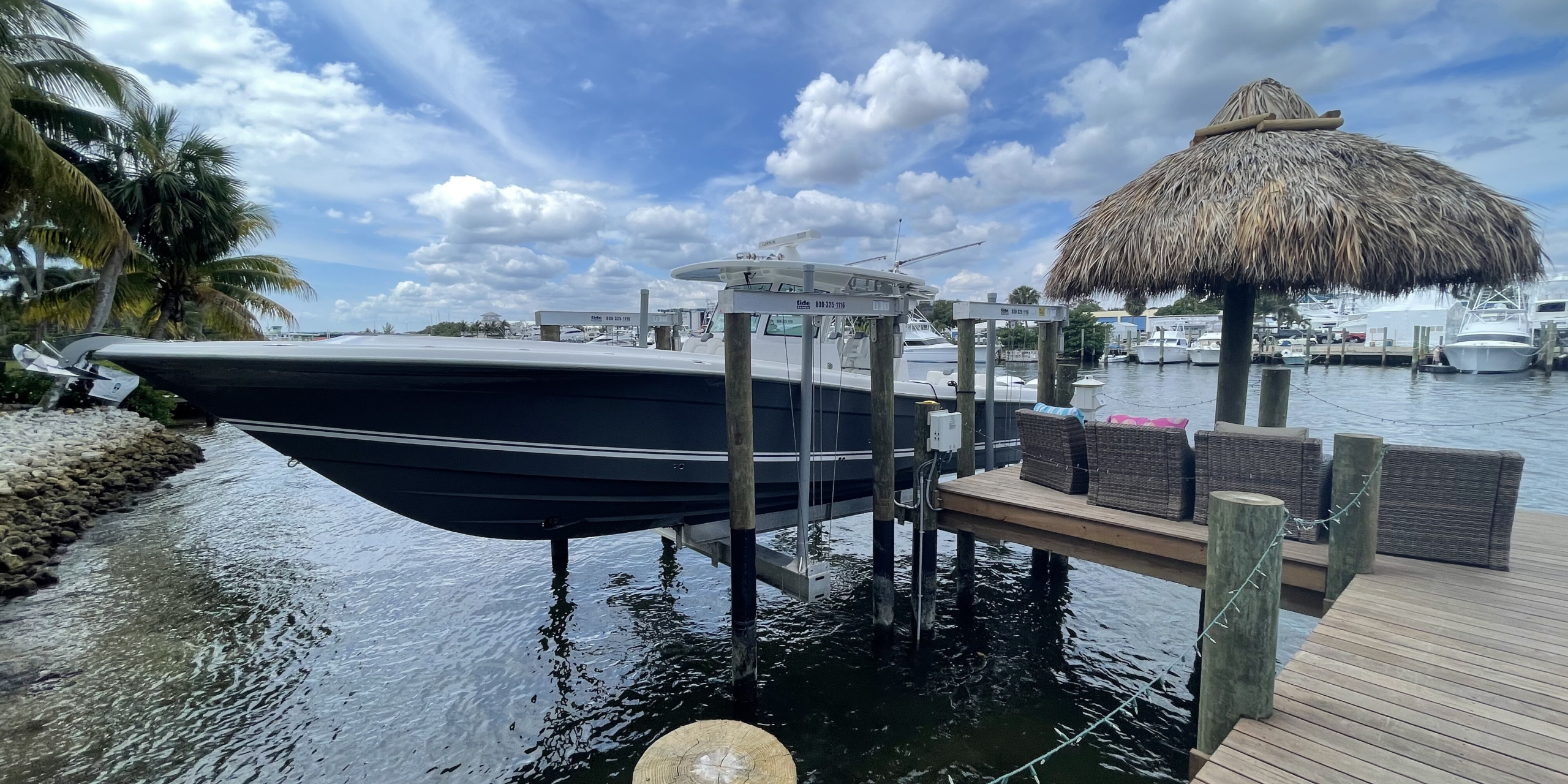
Boat lift service is a key part of waterfront construction where docks and shoreline protection systems are present. A boat lift is not simply a convenience feature. It functions as part of the marine structure and must be positioned carefully to work alongside docks and shoreline stabilization. When planned correctly, the lift supports vessel storage while helping maintain the integrity of surrounding waterfront elements.
Coast Seawall Dock & Boatlifts approaches lift systems as structural components within a larger shoreline system. Water depth, vessel weight, and shoreline protection methods all influence lift selection. Understanding different boat lift types helps property owners choose systems that match their waterfront infrastructure and long term shoreline performance goals.
What Boat Lift Service Means in Waterfront Construction
Boat lift service includes installation, alignment, inspection, and long term upkeep of systems that raise boats out of the water. These systems reduce constant water exposure and limit vessel movement near docks and shoreline structures. When boats remain in the water, they create repeated motion caused by waves, wakes, and water level changes. Over time, that motion affects dock framing, pilings, and shoreline stabilization.
In marine construction, lift placement must avoid transferring unnecessary load to dock pilings or shoreline protection features. Proper boat lift service ensures the lift operates independently while still fitting into the overall waterfront layout. This coordination supports both vessel protection and structural stability.
Why Boat Lift Type Matters
Each lift system functions differently depending on environmental and structural conditions. Choosing the correct system supports stability, efficient operation, and compatibility with docks and shoreline protection.
Lift type affects:
- Load distribution near dock structures
- Vessel clearance from shoreline protection
- Operational control and lifting smoothness
- Structural interaction over time
For properties with residential seawall construction or sloped shoreline stabilization, lift choice directly influences how the vessel sits in relation to fixed shoreline elements.
Manual Boat Lifts
Manual lifts operate with winches and pulley systems. These lifts are often used for smaller boats and areas where electrical access is limited.
Characteristics
- Hand operated
- Fewer mechanical parts
- Slower lifting speed
Because these systems rely on physical operation, alignment is important to ensure balanced lifting. Boat lift service ensures these lifts are mounted so weight distribution remains stable and dock access stays safe.
Manual lifts are often selected where simplicity and low mechanical demand are priorities.
Hydraulic Boat Lifts
Hydraulic lifts use fluid pressure to raise and lower vessels. These systems provide smooth, controlled motion and are commonly used for mid size boats.
Characteristics
- Steady lifting performance
- Reduced physical effort
- Consistent control
Hydraulic systems depend on stable underwater support conditions. Boat lift service includes verifying that mounting locations provide secure footing and do not interfere with dock structures or shoreline protection systems.
These lifts work well in areas where water conditions remain moderately stable and frequent use is expected.
Electric Boat Lifts
Electric lifts rely on motor driven systems. They allow efficient lifting and are suitable for heavier vessels or locations with regular boating activity.
Characteristics
- Push button operation
- Consistent performance
- Suitable for larger vessels
Proper boat lift service ensures electrical components are safely installed and positioned away from structural interference points. Electrical systems must work in coordination with dock layouts and shoreline protection to avoid operational conflict.
Comparing Lift Types
| Lift Type | Operation | Suitable Vessel Size | Structural Consideration |
| Manual | Winch and pulley | Small boats | Low mechanical demand |
| Hydraulic | Fluid pressure | Medium boats | Stable support required |
| Electric | Motor driven | Larger boats | Electrical access needed |
Lift selection must match vessel size, usage frequency, and waterfront layout.
Boat Lifts and Residential Seawall Construction
Properties that include residential seawall construction require careful lift placement. Seawalls stabilize the shoreline and resist erosion forces. Boat lift systems must be positioned so their operation does not add stress to the wall.
Proper boat lift service ensures:
- Vessel storage remains clear of wall contact
- Wave rebound from the wall does not affect lift movement
- Maintenance access to the seawall remains available
This coordination supports the durability of shoreline protection while allowing efficient lift operation.
Boat Lifts and Rock Sea Wall Construction
Some properties use rock sea wall construction, often referred to as revetment systems. These sloped stone shorelines absorb wave energy and reduce erosion. Lift placement in these areas requires attention to underwater slope and stone stability.
Boat lift service in these environments ensures:
- Lift supports rest in stable bottom conditions
- Vessels remain clear of shoreline stone
- Dock access stays safe and unobstructed
Combining shoreline stabilization with lift installation creates a balanced and functional waterfront system.
Site Factors That Influence Lift Selection
Several conditions guide lift choice:
- Water depth and seasonal changes
- Bottom stability and sediment type
- Dock layout and access points
- Vessel weight and hull shape
- Type of shoreline protection
Evaluating these elements ensures the lift performs reliably without affecting surrounding marine construction.
Long Term Performance and Maintenance
Routine inspection supports reliable lift operation. Maintenance includes checking moving components, verifying structural alignment, and ensuring lifting systems operate smoothly. Coordinating lift inspections with dock and shoreline structure evaluations helps maintain overall waterfront performance.
Boat lift service plays a role in long term infrastructure planning by ensuring lifts remain stable and compatible with other marine structures.
Boat Lift Service in a Complete Waterfront System
Boat lifts operate alongside other marine construction elements:
- Docks provide access and support
- Seawalls and revetments stabilize the shoreline
- Lifts manage vessel storage
Coast Seawall Dock & Boatlifts integrates these components so each supports the others. This approach improves functionality and structural balance across the property and supports long term waterfront stability.
Conclusion
Understanding boat lift types helps property owners select systems that work with docks and shoreline protection. Whether a property includes residential seawall construction or rock sea wall construction, proper boat lift service ensures safe and efficient integration into the waterfront structure. Coast Seawall Dock & Boatlifts designs lift systems to complement shoreline stabilization and dock layouts, creating coordinated marine construction solutions that support long term waterfront performance. For waterfront improvements that require integrated marine expertise, contact us today.
Frequently Asked Questions
Q1: Does lift type depend on boat size?
Yes, system capacity must match vessel weight and dimensions.
Q2: Can lifts be installed near seawalls?
Yes, placement must prevent stress transfer to shoreline walls.
Q3: Do revetment shorelines affect lift placement?
Yes, slope and stone layout influence support positioning.
Q4: Is maintenance part of boat lift service?
Yes, inspections help maintain proper operation.
Q5: Are electric lifts suitable for frequent use?
Yes, they provide consistent lifting for regularly used vessels.