
Maintenance Tips to Extend the Life of Your South Florida Seawall
Owning waterfront property in South Florida is both a privilege and a responsibility. Whether you’re on the Intracoastal Waterway in Palm Beach, a canal in Fort Lauderdale, or a lakefront lot in Wellington, your seawall is one of the most important investments protecting your property. This is especially true for homeowners seeking Seawall Repair Jupiter services along high energy waterways.
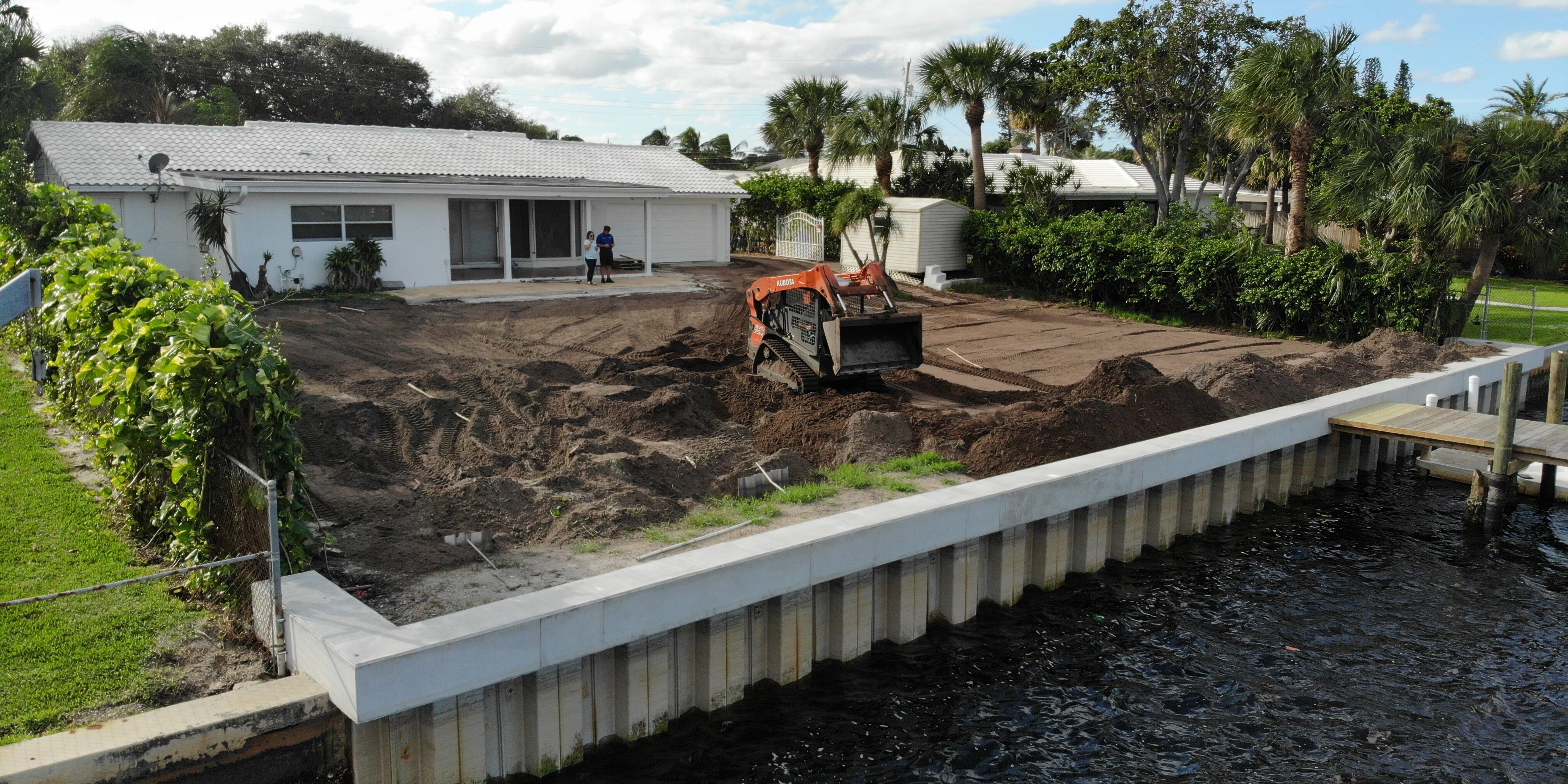
Seawalls serve as the barrier between your land and the constant forces working against it tidal fluctuations, boat wakes, tropical storms, and Florida’s relentless humidity. For long term protection, relying on professional marine construction services such as Bulkhead Construction Palm Beach ensures your seawall is built and maintained to withstand South Florida’s unique coastal challenges.
When seawalls are neglected, they deteriorate faster than property owners expect. Small cracks expand with saltwater intrusion. Drainage systems clog with sand and debris. Soil erodes behind the wall, creating dangerous voids. These issues don’t just risk property safety they can cost tens of thousands of dollars in emergency repairs or full replacement.
The role of seawalls in South Florida shoreline protection: They retain soil, shield properties from flooding during king tides and storm surge, and preserve land stability along the Intracoastal, canals, and oceanfront.
Common issues caused by neglect: Leaning panels, cracked concrete, sinkholes in the yard, corroded tiebacks, and undermining at the toe issues frequently addressed through Seawall Repair Jupiter and surrounding coastal communities.
Cost of replacement vs. proactive maintenance: Full seawall replacement in Palm Beach County runs $600 to $2,000+ per linear foot depending on material and access. Preventive upkeep costs a fraction of that investment.
The bottom line: proactive maintenance is always more cost effective than reactive repairs especially in South Florida’s demanding saltwater environment.
How to Maintain a Seawall in South Florida: Step by Step Guide
Proper seawall construction sets the foundation, but ongoing care determines how long your investment lasts. By following this structured maintenance approach, South Florida property owners can extend seawall lifespan by decades, whether the structure is a traditional seawall, a bulkhead from Bulkhead Construction Palm Beach, or a reinforced system paired with Riprap Martin County shoreline protection.
Regular Inspections
Routine inspections are your first line of defense against costly failures.
What to Look For:
- Cracks in concrete panels or caps
- Erosion or scouring at the base (toe), often mitigated by Riprap Martin County installations
- Loose or settling soil behind the wall
- Leaning or bowing panels
- Rust stains indicating rebar or tieback corrosion
- Blocked or damaged weep holes
South Florida Inspection Schedule:
| Inspection Type | Frequency | Best Timing |
| Visual self check | Monthly | Year round |
| Post storm inspection | After each event | Hurricane season (June November) |
| Professional evaluation | Annually | Spring (before hurricane season) |
Local Considerations:
Properties along high traffic waterways like the Intracoastal in Jupiter, Boca Raton, or Hollywood experience more stress from boat wakes. These seawalls often require more frequent inspections and proactive Seawall Repair Jupiter services than those on quiet residential canals.
Cleaning and Debris Removal
South Florida’s warm waters accelerate marine growth on seawalls. Algae, barnacles, and oyster clusters accumulate quickly, especially on structures in the Intracoastal Waterway and tidal canals, including areas protected by Riprap Martin County shoreline systems.
Preventing Drainage Blockages: Weep holes allow water to escape from behind the seawall, relieving dangerous hydrostatic pressure. In South Florida, these openings frequently clog with sand, shells, and organic debris. Check weep holes quarterly and clear any obstructions.
Removing Marine Growth:
- Scrub surfaces with stiff brushes and eco friendly, marine safe cleaners
- Pressure washing works for heavy buildup but avoid damaging concrete surfaces
- Remove accumulated debris from the wall’s base to prevent scouring
Why It Matters in South Florida: Heavy marine growth traps moisture against concrete, accelerating deterioration. Algae creates slippery surfaces a safety hazard for anyone accessing docks or boat lifts along the seawall.
Vegetation Control
Landscaping choices directly impact seawall health. South Florida’s year round growing season means vegetation management requires ongoing attention, particularly for properties with Bulkhead Construction Palm Beach structures retaining upland soil.
Risks of Tree Roots and Invasive Plants:
- Large root systems can crack concrete panels or destabilize retained soil
- Ficus, black olive, and Australian pine roots are particularly aggressive
- Brazilian pepper and other invasives spread quickly along waterfront properties
Best Practices for South Florida Landscapes:
| Safe Choices | Plants to Avoid Near Seawalls |
| Coontie | Ficus species |
| Muhly grass | Black olive |
| Beach sunflower | Australian pine |
| Saw palmetto | Coconut palm (close to wall) |
| Ground orchids | Banyan |
| Dwarf fakahatchee grass | Sea grape (large specimens) |
Recommended Setbacks: Keep large trees at least 15 20 feet from your seawall’s foundation. For properties in Palm Beach Gardens, Stuart, or Coral Springs with mature landscaping, consult an arborist about root barriers or selective removal.
Drainage Management
Water pressure behind the wall is one of the biggest threats to South Florida seawalls, bulkheads, and Bulkhead Construction Palm Beach installations. The region’s high water table, frequent heavy rains, and sandy soils create constant drainage challenges.
Understanding Hydrostatic Pressure: When water accumulates behind a seawall faster than it can escape, pressure builds against the structure. This force causes bowing, cracking, and eventual failure problems we see frequently during South Florida’s rainy season (May through October).
Drainage Solutions for South Florida Properties:
Weep Hole Maintenance:
- Inspect monthly during rainy season
- Clear sand, roots, and debris
- Replace damaged filters or screens
- Consider installing additional weep holes if drainage is insufficient
French Drains and Swales: Properties in flood prone areas of Delray Beach, Lake Worth, or Dania Beach benefit from French drains that redirect surface water away from the seawall before it saturates the soil.
Grading Considerations: Ensure your yard slopes away from the seawall, not toward it. Many Palm Beach County and Broward County properties develop settling over time that reverses proper drainage patterns.
Minor Repairs and Crack Sealing
Even small cracks become major problems in South Florida’s saltwater environment, often leading to larger Seawall Repair Jupiter projects if left untreated.
Even small cracks become major problems in South Florida’s saltwater environment. Seawater penetrates concrete, corrodes rebar, and expands cracks through repeated wet dry cycles.
DIY vs. Professional Repairs:
| Issue | DIY Appropriate? | Notes |
| Hairline surface cracks | Yes | Use marine grade epoxy |
| Cracks wider than 1/4 inch | No | May indicate structural issues |
| Spalling concrete | Depends | Small areas DIY; large areas need professional assessment |
| Rust stains | No | Indicates rebar corrosion call a professional |
| Cap damage | Depends | Minor chips DIY; major damage needs replacement |
| Leaning or bowing | No | Structural issue requiring professional seawall repair |
Materials for South Florida Conditions:
- Marine grade epoxy rated for saltwater exposure
- Concrete sealants designed for tidal environments
- Stainless steel or hot dipped galvanized fasteners
- Corrosion inhibiting primers for any exposed metal
When to Act: South Florida’s humidity and salt air accelerate deterioration. Address cracks immediately rather than waiting a repair that costs $500 today could become a $5,000 problem in six months.
Applying Protective Coatings
Protective sealants significantly slow deterioration in South Florida’s harsh coastal environment, especially for exposed Bulkhead Construction Palm Beach and concrete seawall systems.
Benefits of Seawall Sealants:
- Reduce water penetration into concrete
- Minimize freeze thaw damage (relevant during rare cold snaps)
- Slow chloride intrusion that corrodes rebar
- Extend time between major repairs
Product Recommendations for South Florida: Look for penetrating sealers rated for:
- Marine and saltwater environments
- UV resistance (critical for South Florida sun exposure)
- Breathability (allows moisture vapor to escape)
- Chloride resistance
Application Schedule: Most quality sealants last 3 5 years in South Florida conditions. Schedule reapplication as part of your regular maintenance calendar.
When to Call a Professional for South Florida Seawall
Even the most diligent property owners can’t handle everything alone. Some issues demand professional expertise and equipment, particularly for Seawall Repair Jupiter, Palm Beach, and Martin County waterfront properties.
Signs Requiring Professional Evaluation:
- Visible leaning or bowing of panels
- Cracks wider than 1/4 inch or growing over time
- Sinkholes or settling in the yard near the seawall
- Significant erosion at the base (toe scouring), often addressed with Riprap Martin County solutions
- Water flowing through the wall rather than weep holes
- Rust stains spreading from cracks
- Separation between panels or at the cap
Cost Savings of Timely Intervention: Addressing problems early typically means a $3,000 $8,000 repair instead of a $50,000+ replacement. For a 100 linear foot seawall in West Palm Beach or Fort Lauderdale, that’s the difference between manageable maintenance and a major capital expense.
Professional Assessment Schedule:
| Property Type | Recommended Frequency |
| Oceanfront | Every 1 2 years |
| Intracoastal Waterway | Every 2 years |
| High traffic canals | Every 2 3 years |
| Quiet residential canals | Every 3 years |
| Lakes and low energy waterways | Every 3 5 years |
After Major Storms: Following hurricanes or tropical storms, schedule a professional inspection regardless of your regular timeline. Storm surge, debris impact, and flooding can cause damage that isn’t immediately visible. Properties in Palm Beach County, Martin County, Broward County, and Miami Dade County should prioritize post storm assessments.
Cost Saving Maintenance Strategies for South Florida Property Owners
Owning a seawall doesn’t have to drain your budget if you plan ahead.
Creating a Long Term Maintenance Schedule:
| Task | Frequency | Estimated Cost |
| Visual inspection | Monthly | Free |
| Weep hole cleaning | Quarterly | Free / minimal |
| Marine growth removal | 2x yearly | $200 $500 or DIY |
| Minor crack repairs | As needed | $100 $500 DIY |
| Professional inspection | Annually | $200 $400 |
| Sealant application | Every 3 5 years | $500 $1,500 |
| Professional repairs | As needed | $1,000 $10,000+ |
Budgeting for South Florida Seawall Upkeep: Set aside 1 2% of your seawall’s replacement value annually for maintenance. For a seawall worth $100,000 to replace, that’s $1,000 $2,000 per year a manageable amount that prevents catastrophic expenses.
Repair vs. Replacement Economics: Even significant repairs costing $10,000 $15,000 can extend your seawall’s functional life by 10 15 years, delaying a $100,000+ replacement. In South Florida’s real estate market, that investment also protects property values waterfront homes with failing seawalls, bulkheads, or missing Riprap Martin County protection face significant price reductions.
Extending Seawall Longevity with Smart Upgrades
Strategic improvements can dramatically extend your South Florida seawall’s lifespan.
Seawall Cap Upgrades: A quality cap protects the top of your seawall from water intrusion and impact damage. Damaged or missing caps are common in Palm Beach County and Broward County an affordable upgrade that prevents expensive panel repairs.
Tieback Reinforcement: Tiebacks anchor your seawall to stable soil inland. Corroded or failed tiebacks allow walls to lean toward the water. Replacement or supplemental anchors restore structural integrity.
Riprap and Toe Protection:
Adding riprap (large stones) at the base of your seawall absorbs wave energy and prevents toe scouring particularly valuable for properties on the Intracoastal or near busy boat channels in Jupiter, Palm Beach, or Fort Lauderdale, and commonly used in Riprap Martin County shoreline reinforcement projects.
Best Materials for South Florida Reinforcement:
- Reinforced concrete with epoxy coated rebar
- Marine grade vinyl sheet piling
- Composite materials rated for saltwater
- Stainless steel hardware
Longevity Expectations:
| Maintenance Level | Typical Lifespan |
| Neglected | 15 25 years |
| Basic maintenance | 30 40 years |
| Proactive care + upgrades | 40 50+ years |
Many reinforced seawalls throughout Palm Beach County, including projects involving
Bulkhead Construction Palm Beach, with consistent professional maintenance, have exceeded 50 years of service double the lifespan of neglected structures.
South Florida Seawall Maintenance Calendar
January April (Dry Season):
- Schedule annual professional inspection
- Apply or reapply protective sealants
- Complete any repairs before rainy season
- Clear vegetation encroaching on seawall
May November (Rainy/Hurricane Season):
- Monthly weep hole inspections
- Post storm damage assessments
- Monitor for new cracks or settling
- Document any changes with photos
Year Round:
- Monthly visual inspections
- Prompt attention to any new issues
- Maintain landscape setbacks
- Keep drainage pathways clear
Conclusion
Your seawall is more than a shoreline structure it’s the foundation of your South Florida waterfront property’s safety, value, and enjoyment. From the luxury estates of Palm Beach Island to the canal homes of Pompano Beach, Jupiter, and properties protected with Riprap Martin County, every seawall requires consistent attention to reach its full lifespan.
By following a regular maintenance schedule, controlling vegetation, ensuring proper drainage, and making timely repairs, you can extend your seawall’s service life by decades. Every dollar spent on maintenance today saves multiple dollars tomorrow.
South Florida’s unique environment saltwater exposure, hurricane threats, heavy boat traffic, and year round humidity demands proactive care. Property owners who invest in regular upkeep protect both their land and their investment.
If you’re unsure about your seawall’s current condition, schedule a professional inspection. A small step now prevents major problems down the road.
Schedule Your South Florida Seawall Inspection
Serving Palm Beach County, Broward County, Martin County, and Miami Dade County
Coast Seawall provides professional inspections, maintenance, and repairs for waterfront property owners throughout South Florida, including Seawall Repair Jupiter, Bulkhead Construction Palm Beach, and Riprap Martin County shoreline solutions.
Call for a Free Consultationcoastseawall.com
Services:Seawall Repair | Concrete Seawall Construction | Marine Construction | Dock Construction | Boat Lifts
FAQs: South Florida Seawall Maintenance
How often should I inspect my seawall in South Florida?
Perform monthly visual checks year round, with extra attention during hurricane season (June November). Schedule a professional inspection annually, ideally in spring before storm season. After any hurricane or tropical storm affecting Palm Beach County, Broward County, Martin County, or areas requiring Seawall Repair Jupiter, arrange a professional assessment regardless of your regular schedule.
What are the first signs of seawall failure in South Florida?
Watch for cracking concrete, leaning or bowing panels, soil settling or sinkholes near the wall, rust stains spreading from cracks, blocked weep holes, and water seeping through the wall itself rather than drainage outlets. These warning signs apply to seawalls, bulkheads from Bulkhead Construction Palm Beach, and riprap supported shorelines. South Florida’s saltwater environment accelerates these issues, so early detection is critical.
Can I do seawall repairs myself?
Minor surface cracks and routine cleaning are appropriate for DIY. Use marine grade epoxy and sealants rated for saltwater. However, structural repairs, tieback replacement, panel reinforcement, Seawall Repair Jupiter, and anything involving the wall’s foundation or Riprap Martin County stabilization should be handled by licensed professionals familiar with South Florida conditions.
What is the average lifespan of a seawall in South Florida?
With proper maintenance, most South Florida seawalls last 30 50 years. Reinforced concrete seawalls, bulkheads from Bulkhead Construction Palm Beach, or composite systems paired with Riprap Martin County protection and proactive care can exceed 50 years. Neglected seawalls in our saltwater environment often fail within 15 25 years.
How much does seawall replacement cost in Palm Beach County?
Replacement costs typically range from $600 to $2,000+ per linear foot depending on material, soil conditions, and site access. A 100 foot seawall replacement can cost $60,000 $200,000. Preventive maintenance costing $1,000 $2,000 annually is far more economical than premature replacement.
Why do South Florida seawalls fail faster than in other regions?
South Florida’s combination of saltwater exposure, high humidity, frequent storms, active boat traffic, and year round warm temperatures creates an aggressive environment for seawall materials. Saltwater accelerates concrete deterioration and metal corrosion, while storm surge and boat wakes cause physical stress. This makes regular maintenance, Seawall Repair Jupiter, and shoreline reinforcement like Riprap Martin County even more important for local property owners.
What should I do after a hurricane passes through South Florida?
Inspect your seawall as soon as safely possible. Look for new cracks, leaning, debris impact damage, erosion at the base, or sinkholes in your yard. Document any damage with photos and schedule a professional inspection. Many seawall failures occur weeks or months after storms when hidden damage progresses early detection prevents costly emergencies and protects bulkheads and Riprap Martin County installations alike.