

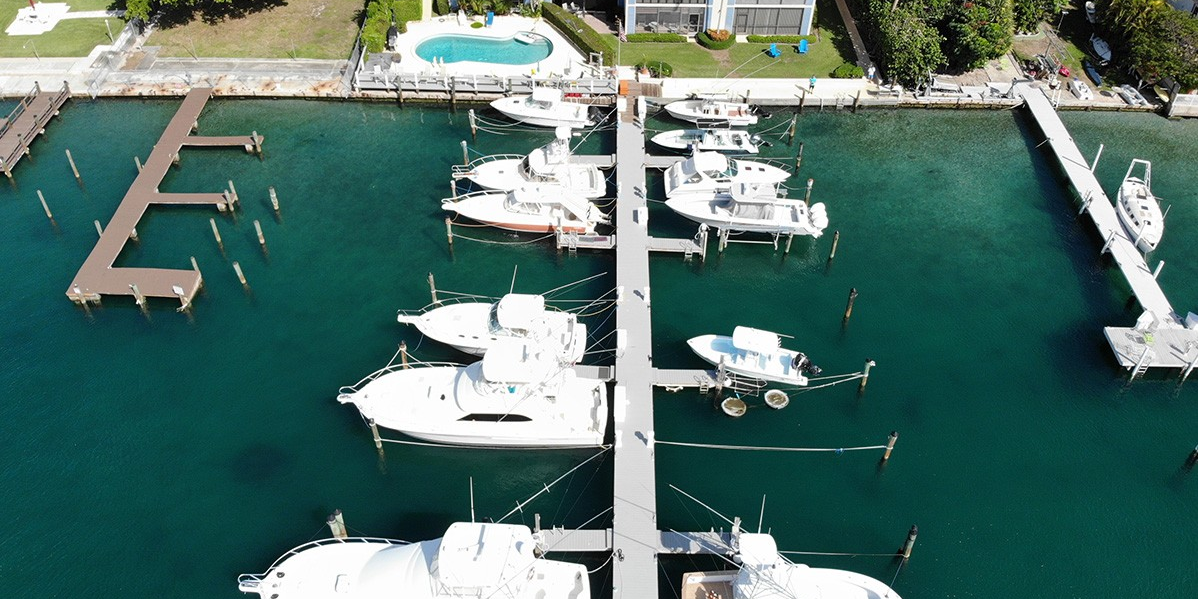
Dock construction is a critical aspect of waterfront property development and maintenance. A dock must withstand constant exposure to water, weather changes, and regular use while remaining safe and functional over time. One of the most important decisions in any dock project is material selection, as it directly affects durability, maintenance needs, and long term performance.
For property owners planning residential dock construction or commercial dock construction, understanding the advantages and limitations of common dock materials helps set realistic expectations. This guide explains the most widely used dock construction materials, their practical benefits, and their potential drawbacks.
Why Material Selection Matters in Dock Construction
Material choice determines how well a dock performs in its environment. Docks are exposed to moisture, sunlight, wave action, and fluctuating water levels. Over time, these factors place stress on structural and surface materials.
Selecting the wrong materials can result in:
- Faster deterioration
- Higher maintenance demands
- Reduced structural stability
- Increased repair frequency
By choosing materials suited to site conditions and intended use, dock owners can improve safety and extend the usable life of their dock.
Common Materials Used in Dock Construction
Different materials serve different purposes within dock construction. Some are better suited for framing, while others work best as decking or pilings.
Pressure Treated Wood
Pressure treated wood remains one of the most commonly used materials in dock construction, particularly for residential applications. It is chemically treated to resist rot and insect damage.
Pros
- Cost effective compared to other materials
- Readily available and easy to work with
- Traditional appearance that blends well with residential settings
Cons
- Requires routine maintenance
- Can warp, crack, or splinter over time
- Shorter lifespan than composite, aluminum, or concrete
Pressure treated wood is often chosen when budget and visual appeal are primary concerns.
Composite Decking
Composite materials are manufactured using a combination of wood fibers and synthetic materials. They are commonly used for dock surfaces rather than load bearing structures.
Pros
- Resistant to rot and splintering
- Lower ongoing maintenance needs
- Uniform appearance over time
Cons
- Higher upfront cost than wood
- Can retain heat in direct sunlight
- Not always suitable for heavy structural loads
Composite decking is frequently used in custom dock construction projects where reduced maintenance is a priority.
Aluminum
Aluminum is widely used in modern dock construction due to its corrosion resistance and strength to weight ratio. Aluminum docks are often modular and adaptable.
Pros
- Resistant to rust and corrosion
- Lightweight yet durable
- Minimal maintenance requirements
Cons
- Higher initial investment
- Less traditional appearance
- Requires precise installation
Aluminum works well in both residential dock construction and commercial dock construction where longevity is important.
Concrete
Concrete is commonly used in permanent dock installations, especially for commercial or high load applications. It is often used for pilings or entire dock structures.
Pros
- Extremely durable
- Performs well in harsh marine conditions
- Long service life with minimal maintenance
Cons
- Higher construction costs
- Limited flexibility once installed
- Requires professional planning and installation
Concrete is best suited for docks that prioritize strength and long term stability.
Material Considerations for Residential Dock Construction
Residential dock construction focuses on personal use, ease of access, and comfort. Material choices often reflect lifestyle needs rather than heavy operational demands.
Homeowners typically consider:
- Comfort underfoot
- Appearance and integration with the property
- Maintenance requirements
Wood and composite decking are commonly used for residential docks, sometimes combined with aluminum framing for added durability.
Material Considerations for Commercial Dock Construction
Commercial dock construction must account for higher usage levels, heavier loads, and stricter safety expectations. Materials must withstand frequent foot traffic and equipment use.
Commercial docks often require:
- High load bearing capacity
- Reduced downtime for maintenance
- Long term structural reliability
Concrete and aluminum are commonly selected to meet these demands.
Custom Dock Construction and Material Flexibility
Custom dock construction allows materials to be selected based on specific site conditions and usage requirements. A dock may combine multiple materials to achieve the desired balance between durability, cost, and maintenance.
Examples include:
- Aluminum framing with composite decking
- Concrete pilings supporting modular dock sections
- Wood decking used in low impact residential settings
Coast Seawall Dock & Boatlifts applies material selection methods that reflect real waterfront conditions and long term functionality rather than short term trends.
Dock Construction Materials Comparison Table
| Material | Durability | Maintenance Needs | Cost Level | Typical Use |
| Pressure Treated Wood | Moderate | High | Low | Residential docks |
| Composite Decking | High | Low | Medium | Custom dock surfaces |
| Aluminum | High | Very Low | Medium–High | Residential and commercial |
| Concrete | Very High | Low | High | Commercial docks |
Environmental and Maintenance Considerations
Environmental conditions play a major role in how dock materials perform, particularly when docks are part of integrated waterfront systems that also require boat lift maintenance.
Important factors include:
- Corrosion resistance
- Structural strength under load
- Long term maintenance planning
Material selection should account for these conditions to reduce unexpected repairs.
How Dock Construction Materials Impact Long Term Performance
Dock construction materials influence not only lifespan but also how a dock interacts with surrounding waterfront structures, including those supported by rock seawall construction.
Proper material selection helps:
- Maintain structural balance
- Reduce vibration and movement
- Support safe access to vessels
- Protect nearby marine structures
This integrated approach is essential for docks that function as part of a larger waterfront system.
Conclusion
Material selection is a foundational element of dock construction. Each material offers specific benefits and limitations depending on environmental exposure, usage demands, and maintenance expectations. By understanding these differences, property owners can make informed decisions that support safe and functional docks over time.
Residential and commercial dock construction projects benefit from realistic planning and practical material choices. Coast Seawall Dock & Boatlifts approaches dock construction with a focus on long term performance, environmental suitability, and structural reliability. If you are evaluating dock materials or planning a new project, contact us today to discuss your requirements and next steps.
Frequently Asked Questions
1. What is the most durable material used in dock construction?
Concrete and aluminum are considered the most durable materials, especially for high use docks.
2. Is wood still suitable for residential dock construction?
Yes. Pressure treated wood is still widely used when maintained properly.
3. Does composite decking require less maintenance?
Composite decking typically requires less maintenance than wood but may have higher upfront costs.
4. Are aluminum docks suitable for saltwater environments?
Yes. Aluminum performs well in saltwater due to its corrosion resistance.
5. Can multiple materials be used in one dock?
Yes. Custom dock construction often combines materials to meet specific performance needs.