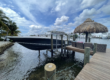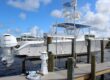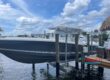
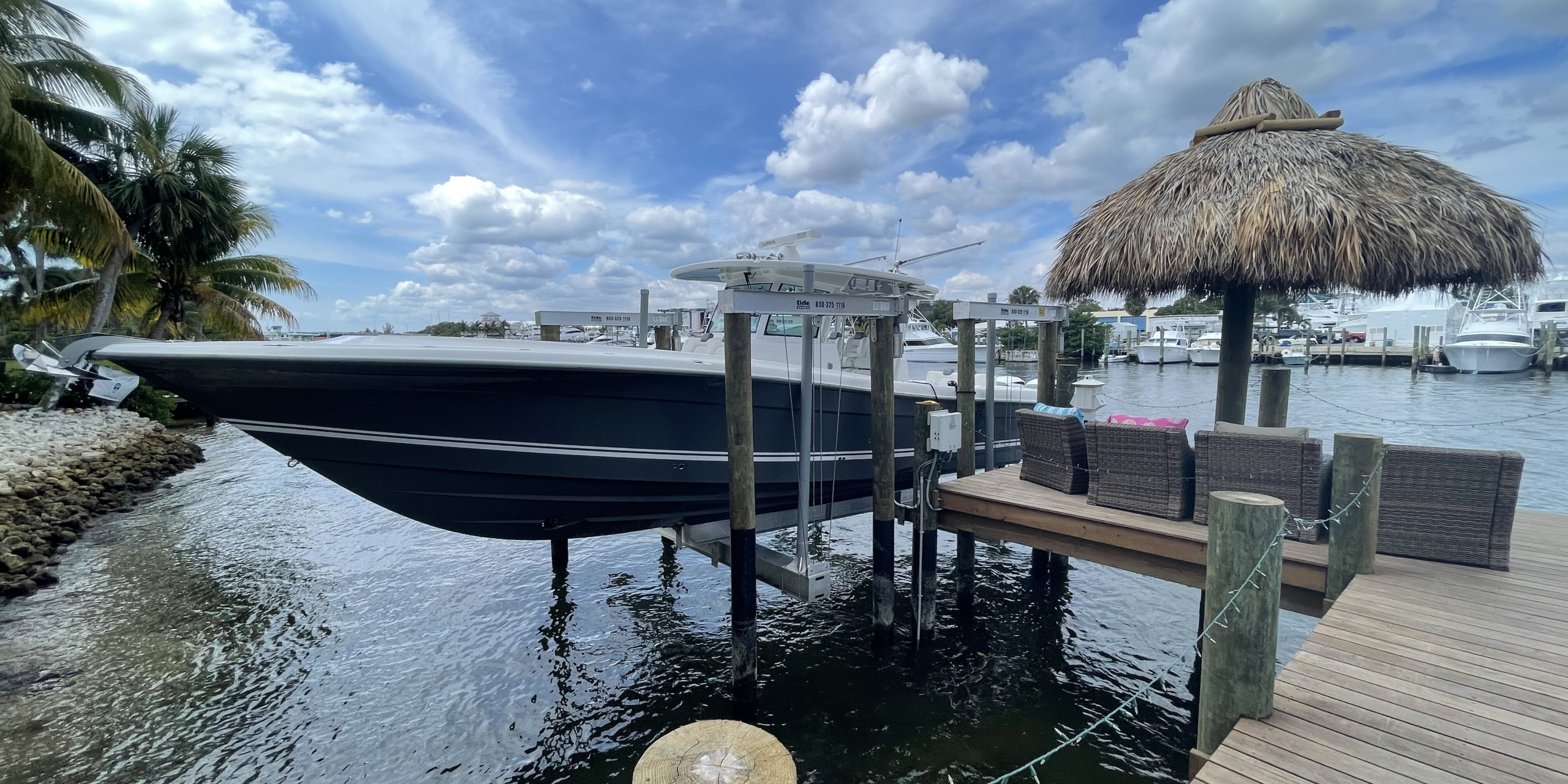
Boat lift maintenance is essential for keeping waterfront equipment safe, reliable, and functional over time. A boat lift supports significant weight and operates in harsh marine conditions. Without proper care, wear and corrosion can reduce performance and lead to avoidable repairs. Regular maintenance helps identify issues early and supports consistent operation throughout the year.
For homeowners with docks and boat lifts, understanding how maintenance works is just as important as knowing when to seek professional service. This guide explains what affects lift longevity, which components require attention, and how consistent upkeep can extend the life of a boat lift.
Why Boat Lift Maintenance Is Important
Boat lifts are mechanical systems that combine structural, electrical, and moving components. These parts work together to raise and lower a vessel safely. Over time, exposure to water, sun, and regular use places stress on every component.
Boat lift maintenance helps reduce that stress by:
- Preventing corrosion on metal parts
- Ensuring cables remain balanced and secure
- Supporting smooth motor operation
- Reducing uneven loading on frames and cradles
Without maintenance, small issues often develop into larger problems. A cable that shows early signs of wear can eventually snap. A motor that strains may fail completely. Routine checks help avoid these outcomes.
What Affects the Lifespan of a Boat Lift
Several factors influence how long a boat lift remains functional.
Water Exposure
Saltwater accelerates corrosion, while freshwater still allows algae and debris buildup. Both conditions affect cables, pulleys, and metal frames.
Frequency of Use
Boat lifts that operate daily experience more wear than lifts used occasionally. Higher usage increases strain on motors and moving parts.
Load Capacity
Operating near or above the rated capacity increases stress on cables and frames. Overloading shortens the lifespan of the entire system.
Environmental Conditions
Coastal weather, heat, humidity, and storms all impact mechanical components in areas designed for residential dock construction.
Core Components That Require Regular Attention
Understanding key components helps homeowners recognize why maintenance matters.
Cables and Pulleys
Cables carry the full weight of the boat. Over time, they can fray, stretch, or corrode. Pulleys guide cable movement and must remain aligned to prevent uneven lifting.
Regular inspections help ensure:
- Cables remain evenly tensioned
- Pulleys rotate freely
- No visible rust or broken strands appear
Motors and Electrical Parts
Motors power the lift and must operate smoothly. Electrical components are vulnerable to moisture and corrosion.
Maintenance includes:
- Checking for unusual sounds
- Monitoring lifting speed
- Inspecting wiring for wear or exposure
Cradle, Bunks, and Frames
The cradle supports the hull, while bunks help distribute weight evenly. Frames provide structural stability.
These components should be checked for:
- Proper alignment
- Secure fasteners
- Signs of metal fatigue or corrosion
Routine Boat Lift Maintenance Tasks
Consistent care helps reduce unexpected failures. While some tasks require trained professionals, basic upkeep supports overall system health.
Routine tasks include:
- Visual inspections of cables and hardware
- Rinsing components to reduce salt buildup
- Removing marine growth from submerged parts
- Observing lift operation for uneven movement
These tasks help identify problems early and keep the system operating as designed.
When Professional Boat Lift Service Is Needed
While routine checks are helpful, professional boat lift service plays an important role in long term maintenance. Technicians are equipped to assess load capacity, electrical systems, and structural integrity.
Professional service is often needed:
- After severe weather events
- When adjusting lift height or capacity
- If electrical issues are suspected
- During annual maintenance planning
Coast Seawall Dock & Boatlifts approaches boat lift service with a focus on structural reliability and compatibility with surrounding docks and seawalls. This integrated perspective supports safer waterfront systems.
Common Situations That Require Boat Lift Repair
Even with regular maintenance, repairs may become necessary. Recognizing warning signs helps prevent further damage.
Common repair indicators include:
- Uneven or tilted lifting
- Slower than normal operation
- Visible corrosion on load bearing parts
- Frayed or slack cables
- Motor strain or intermittent operation
Boat lift repair addresses these issues before they compromise safety or damage the vessel.
Seasonal Boat Lift Maintenance Overview
Seasonal changes affect water levels, weather exposure, and usage patterns. Planning maintenance around seasons helps maintain consistency.
| Season | Maintenance Focus | Purpose |
| Spring | Cable and pulley inspection | Prepares for increased use |
| Summer | Motor monitoring | Supports frequent operation |
| Fall | Corrosion prevention | Reduces off season wear |
| Winter | Structural review | Limits weather related damage |
Seasonal planning reduces overlooked issues and supports year round performance.
Boat Lift Maintenance in Coastal and Florida Conditions
Coastal environments require extra attention due to salt exposure and humidity. Florida waterfront properties often experience higher corrosion rates and frequent weather changes.
Best practices include:
- More frequent rinsing of metal components
- Regular inspection after storms
- Monitoring electrical parts for moisture exposure
- Avoiding prolonged submersion of non rated components
These steps help adapt maintenance routines to demanding coastal conditions.
How Boat Lift Maintenance Supports Long Term Waterfront Structures
Boat lifts are part of a larger waterfront system that often includes docks and seawalls, including systems supported by rock seawall construction. Neglected lift components can place additional stress on connected structures.
Proper maintenance helps:
- Maintain balanced loads
- Reduce vibration and movement
- Support dock stability
- Protect nearby marine structures
Coast Seawall Dock & Boatlifts works within this broader context, understanding how boat lifts interact with docks and seawalls over time.
Conclusion
Boat lift maintenance is an ongoing responsibility for waterfront property owners who want to maintain safe and dependable operation. Regular inspections, seasonal planning, and timely professional assistance all play an important role in managing wear and addressing issues early. Understanding how lift components respond to environmental conditions allows owners to make informed maintenance decisions over time.
Consistent upkeep supports longer equipment life, helps minimize unexpected repairs, and contributes to the overall stability of waterfront structures. Coast Seawall Dock & Boatlifts follows maintenance and repair practices designed for real world marine environments and long term performance. If you have questions about the condition of your boat lift or need professional support, contact us today to discuss appropriate next steps.
Frequently Asked Questions
1.How often should boat lift maintenance be performed?
Basic inspections should be done regularly, with professional evaluations typically scheduled annually or after major storms.
2.Can regular maintenance prevent all repairs?
No. Maintenance reduces risk and identifies issues early, but repairs may still be required due to normal wear.
3.What component fails most often on a boat lift?
Cables commonly show wear first due to constant load and exposure.
4. Is boat lift maintenance different in coastal areas?
Yes. Salt exposure and humidity increase corrosion risk and require more frequent attention.
5. Does boat lift maintenance improve safety?
Yes. Proper maintenance supports stable lifting, balanced loads, and reliable operation.