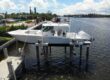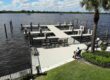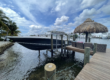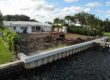
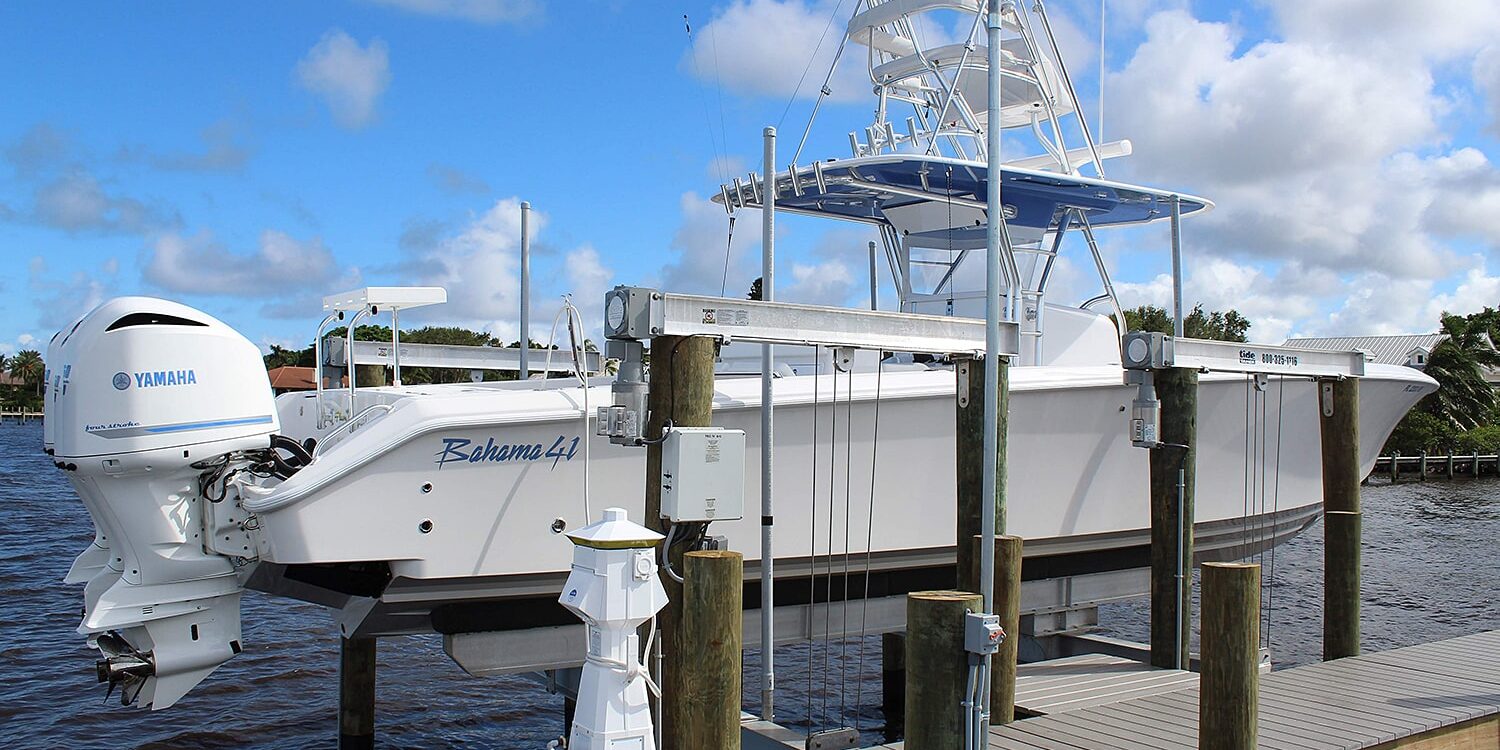
Boat lift installation is an important part of building a functional and protected waterfront property. For properties that include docks, seawalls, or stabilized shorelines, a properly installed boat lift supports safe vessel storage while working together with shoreline structures. Instead of leaving a boat in the water where it faces constant exposure and movement, a lift creates a controlled storage position that fits into the overall waterfront construction plan.
At Coast Seawall Dock & Boatlifts, boat lifts are viewed as structural components of a larger marine system. They must match water depth, shoreline protection methods, and dock layouts. When installed correctly, a lift becomes part of a unified waterfront solution that protects both the boat and surrounding infrastructure.
The Role of a Boat Lift in Waterfront Construction
A boat lift is a mechanical system that raises and lowers a vessel between the water and a suspended storage position. In marine construction projects handled by Coast Seawall Dock & Boatlifts, lifts are installed in coordination with docks, seawalls, and shoreline stabilization features. Their purpose is to reduce the long term effects of water exposure on vessels while maintaining safe access from the dock.
Because lifts interact directly with docks and shoreline structures, installation requires careful planning. Load distribution, water movement, and structural stability all influence how the lift is positioned. The system must operate without placing excess stress on nearby seawalls, revetments, or dock pilings.
Structural Benefits of Boat Lift Installation
Reduced Continuous Water Movement Near Shoreline Structures
When boats stay in the water, they create ongoing movement against docks and shoreline protection systems. By lifting the vessel out of the water, boat lift installation reduces repeated motion near seawalls and stabilized shorelines. This supports the long term performance of marine construction elements installed by Coast Seawall Dock & Boatlifts.
Protection of Dock Systems
Docks are designed to provide access, not to absorb constant vessel impact. Storing a boat on a lift instead of tying it directly to the dock reduces contact pressure, wake related movement, and shifting loads. This helps maintain dock alignment and structural reliability.
Stability During Water Level Changes
Fluctuating water levels can affect how boats rest against docks and shoreline structures. A lift maintains a consistent storage position above the water, reducing the effect of tides or level changes on mooring points and nearby construction.
How Boat Lifts Work With Seawalls
Seawalls are built to stabilize shorelines and resist erosion. During boat lift installation, the lift system must be positioned carefully when located near concrete seawall construction to ensure the lift operates independently without transferring structural stress to the wall.
When properly positioned:
- Boats remain clear of direct seawall contact
- Wave rebound from the wall does not affect the vessel
- Maintenance access to both the lift and seawall stays open
This coordinated approach helps preserve shoreline protection systems and lift performance.
Integration With Rock Revetment Design
Some properties rely on rock revetment design rather than vertical seawalls. These sloped stone systems absorb wave energy and reduce erosion. Boat lift installation in these areas requires attention to shoreline slope, water depth, and underwater stability.
Coast Seawall Dock & Boatlifts ensures lifts in revetment areas are positioned so:
- The vessel remains clear of shoreline stone
- Lift supports rest in stable underwater conditions
- Safe access from dock to boat is maintained
Combining revetment stabilization and lift installation creates a balanced waterfront structure where each element supports the others.
Key Considerations Before Installation
Water Depth and Bottom Conditions
The underwater environment influences lift type and support configuration. Stable bottom conditions help maintain proper alignment and operation.
Dock Layout
Lift placement must allow safe access without interfering with dock traffic or structural components. The lift becomes part of the dock system.
Vessel Size and Weight
Every system is designed for specific load capacities. Matching the lift to the vessel ensures safe lifting and long term performance.
Shoreline Protection Type
Whether the property includes a seawall or rock revetment design, the lift must work with the shoreline structure, not against it.
Types of Boat Lifts Used in Waterfront Projects
| Lift Type | Operation Method | Suitable Use |
| Manual | Winch and pulley system | Smaller vessels and lighter use |
| Hydraulic | Fluid powered lifting | Smooth operation for mid size boats |
| Electric | Motor driven system | Frequent use and heavier vessels |
Coast Seawall Dock & Boatlifts selects lift systems based on site conditions, vessel requirements, and dock configuration.
Long Term Waterfront Management Benefits
Boat lift installation supports overall waterfront maintenance. Keeping boats out of the water when not in use helps:
- Reduce hull cleaning frequency
- Limit constant mooring stress on docks
- Decrease repeated disturbance near shoreline structures
This supports the durability of both marine infrastructure and vessels.
Maintenance of Boat Lift Systems
Routine inspections help ensure reliable operation. Maintenance includes checking moving parts, inspecting structural components, and confirming safe hydraulic or electrical performance when applicable. Coordinating lift maintenance with dock and shoreline inspections allows Coast Seawall Dock & Boatlifts to support consistent waterfront upkeep.
Boat Lifts as Part of a Complete Waterfront System
Boat lifts function best when planned alongside docks, seawalls, and shoreline stabilization. Each part serves a different role:
- Seawalls and revetments protect the shoreline
- Docks provide safe access
- Boat lifts manage vessel storage
Together, they form a coordinated system designed for safety, durability, and efficient waterfront use.
Conclusion
Boat lift installation is a structural improvement that works with docks, seawalls, and shoreline stabilization systems to create a functional waterfront environment. By reducing stress on docks, supporting shoreline protection, and keeping vessels in a controlled position, boat lifts contribute to long term waterfront performance. Coast Seawall Dock & Boatlifts integrates lift systems with rock revetment design and shoreline structures to ensure each component functions as part of a complete marine construction solution. For property owners planning waterfront improvements, contact us today to discuss how a properly integrated boat lift system can support your shoreline and dock structures.
Frequently Asked Questions
Q1: Can a boat lift be installed next to a seawall?
Yes, proper planning allows lifts to operate safely alongside seawalls.
Q2: Do lifts work in areas with rock revetments?
Yes, placement can be adjusted for sloped, stone protected shorelines.
Q3: Is lift placement connected to dock design?
Yes, lift location should be planned as part of the dock layout.
Q4: Does a lift reduce stress on shoreline structures?
Yes, removing boats from the water reduces repeated motion near docks and shoreline protection.
Q5: Are different lift types used for different vessels?
Yes, system choice depends on boat size, weight, and site conditions.